THE BREATHING UNIVERSE
What a Penrose Convergence Is
First, the tool — because the whole document hinges on using it honestly. A Penrose convergence is what happens when independent minds, starting from completely different places and methods, arrive at the same structural picture. This document is about one: a modern physicist, ancient Indian sages, and Bronze-Age Mesopotamian scribes all circling the idea that the cosmos moves in cycles, and an ending seeds a beginning.
View One — Penrose CCC Published-Serious
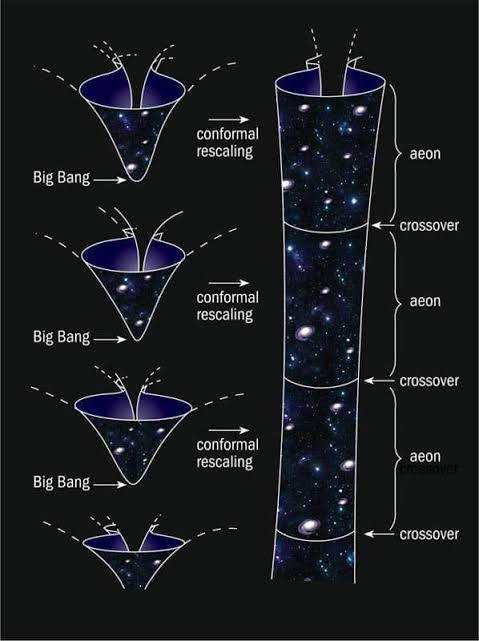
Conformal Cyclic Cosmology: the universe runs through aeons. Each begins with a hot, dense, low-entropy Big Bang and ends, unimaginably later, at heat death — maximum entropy, every black hole evaporated, nothing left with mass to set a scale. At that crossover the geometry becomes conformally identical to a fresh Big Bang. The end is the next beginning.
The Razor — Shape vs. Number
Here is where most people lose their footing. There are two completely different claims hiding in "it lines up almost exactly," and they get opposite verdicts.
- A Day of Brahma (4.32 B yr) ≠ the universe's age (13.8 B yr). By the tradition's own reckoning we're already several "days" in.
- A real CCC aeon is ~10¹⁰⁰ years — about 10⁹⁰ times longer than a Day of Brahma. Even Brahma's entire 311-trillion-year life is ~10⁸⁶ times too short for a single aeon. By number, off by nearly a googol.
- The eerie 4.32 B ≈ 4.5 B (age of the solar system) is a real coincidence — but that's just when our particular star formed. Nothing cosmological.
The Great Year — The Sky's Slowest Clock Established
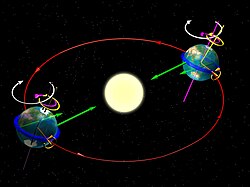
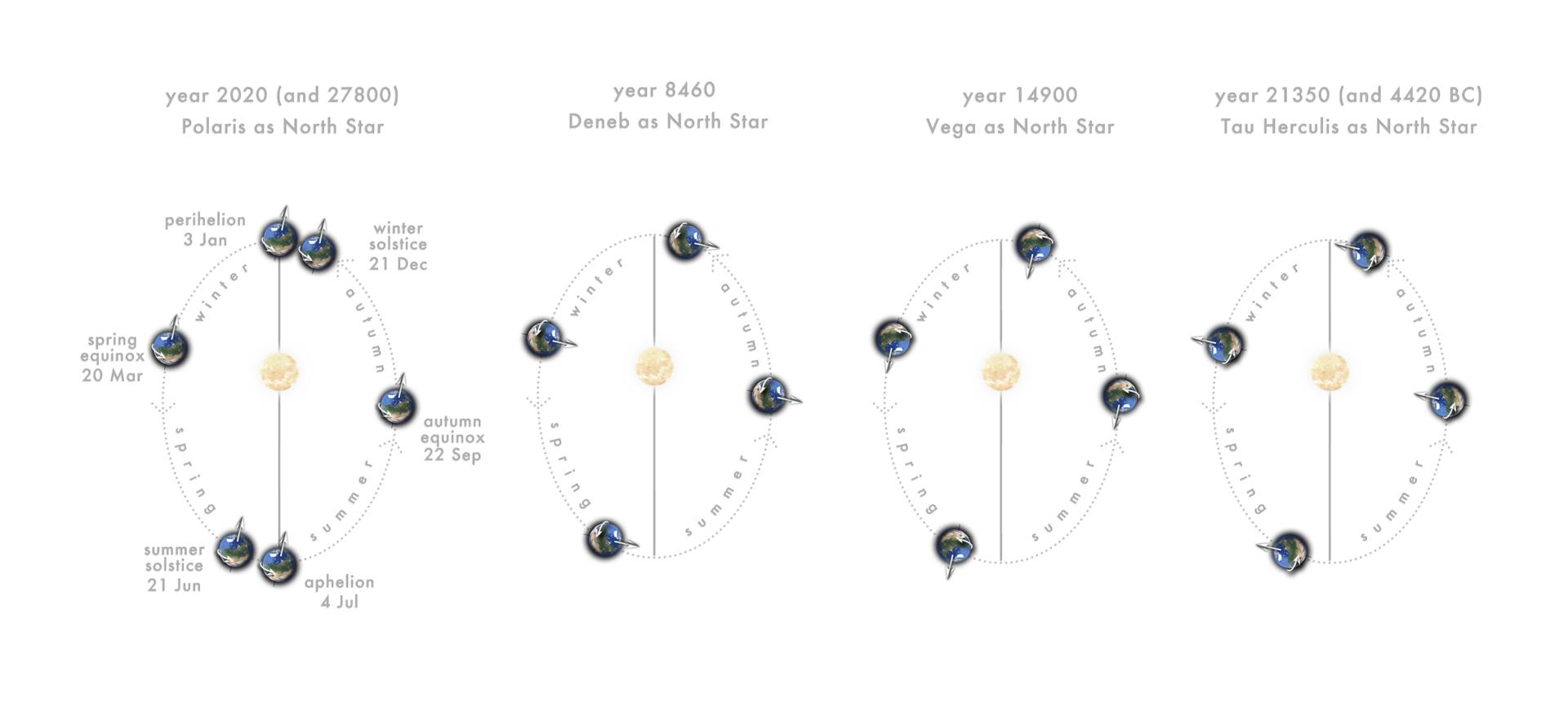
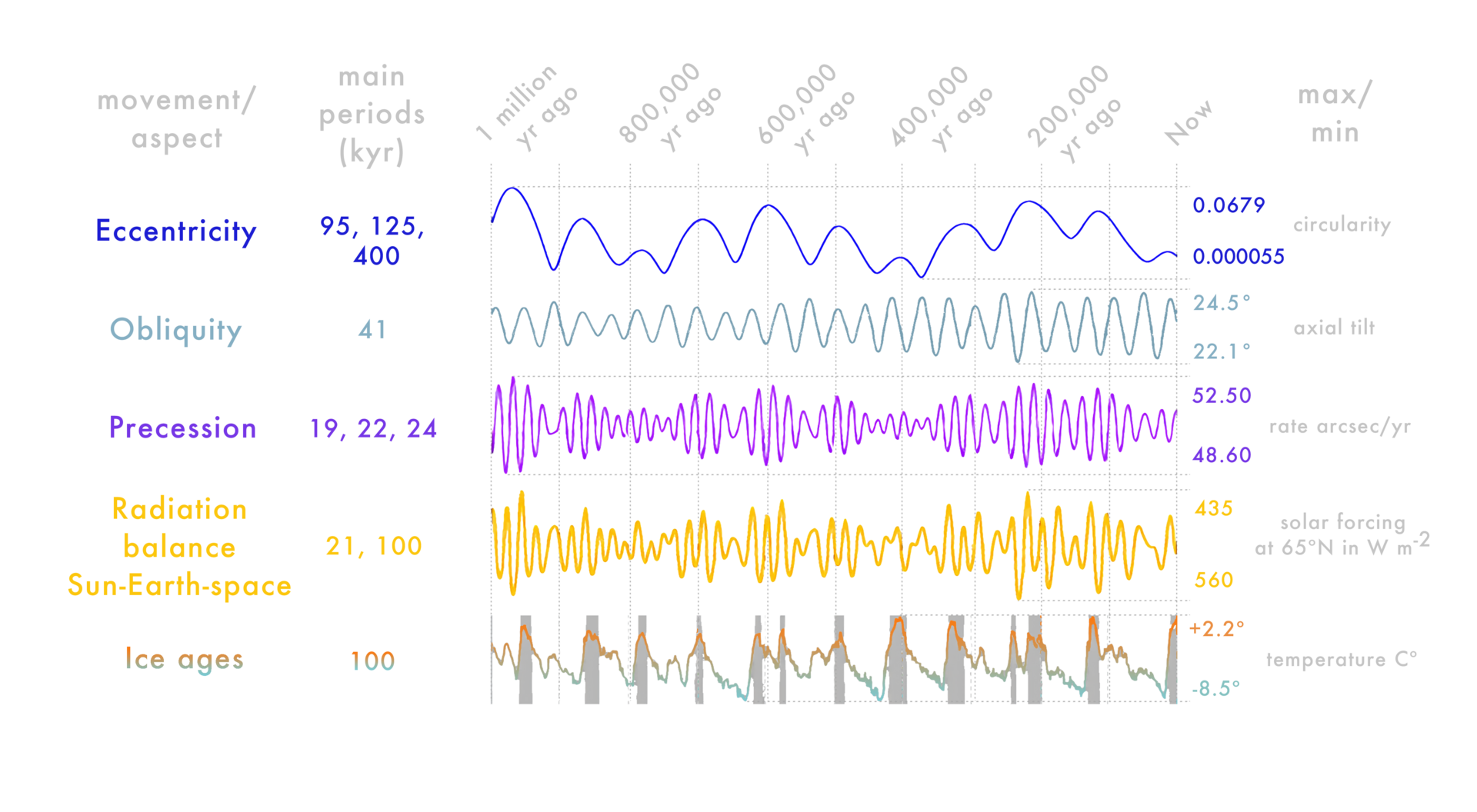
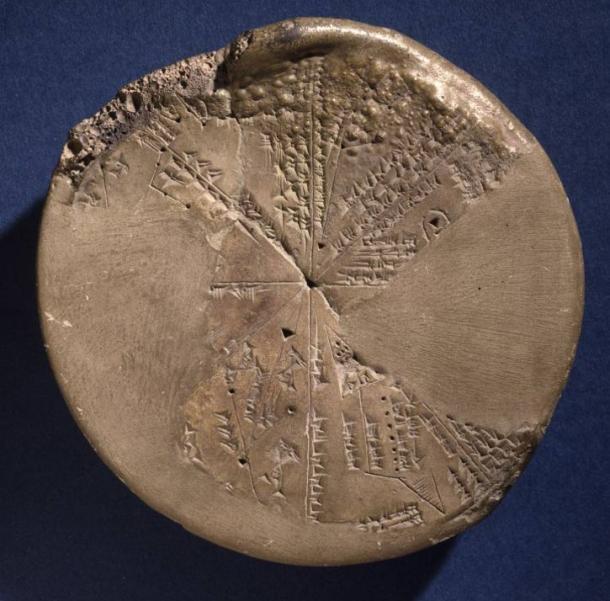
Why does 432,000 carry such weight for ancient astronomers? Because it's tied to precession — the slow wobble of Earth's axis that traces a full circle roughly every 25,920 years, the "Great Year." And 432 × 60 = 25,920. The number is built from the sky's deepest rhythm.
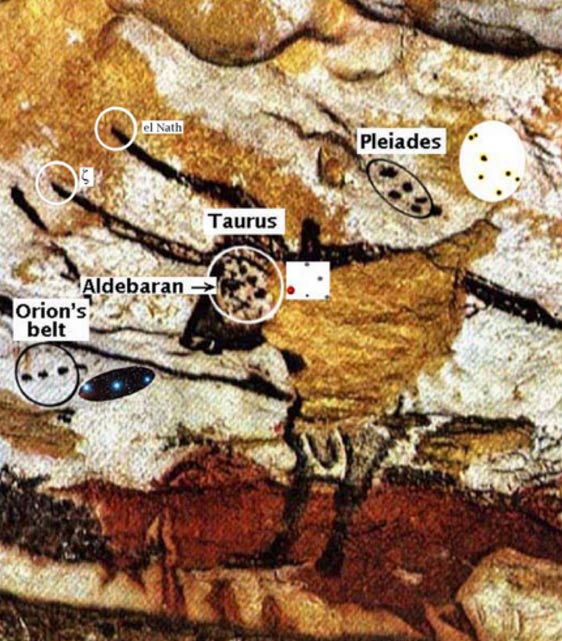
The Oldest Number — 432,000 Established
So 432,000 isn't a cosmic measurement — it's a sacred sexagesimal number, baked into Bronze-Age astronomy, and it surfaces independently on opposite sides of the ancient world.
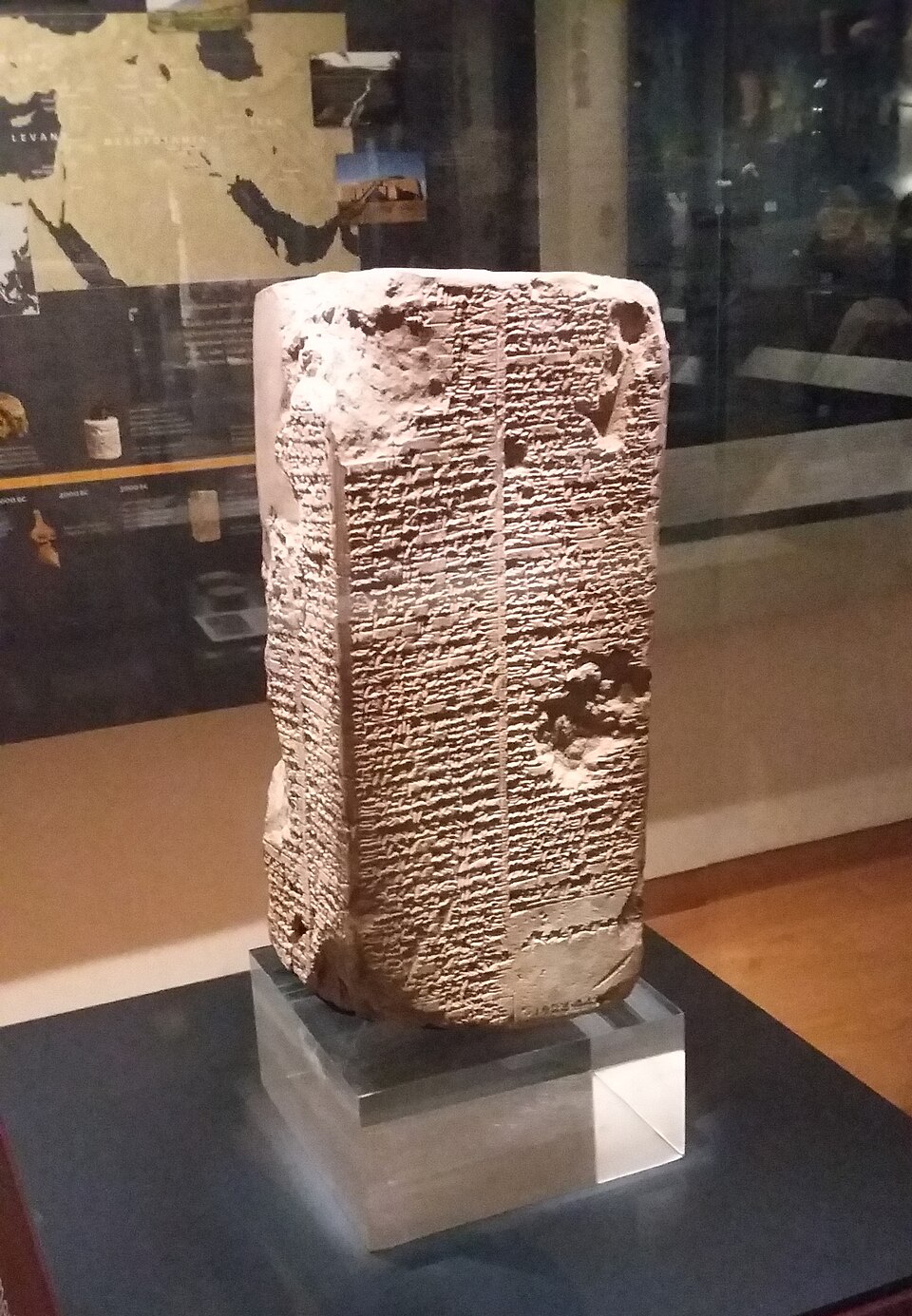
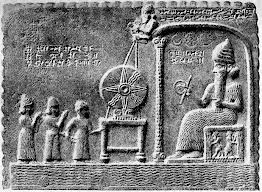
- India: the Kali Yuga lasts exactly 432,000 years; the whole yuga system is built from it.
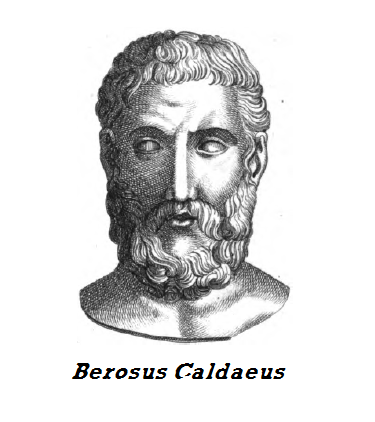
- Babylon: Berossus recorded ten kings reigning before the Flood for a combined 432,000 years. The older Sumerian King List gives eight kings totaling 241,200. Scholars note the chronology has "a purely astronomical origin."
- The root: 432 × 60 = 25,920 — the precession cycle. 432,000 is divisible by everything and tied to the sky's slowest clock. The number ancient astronomer-priests reached for, by construction.
The Trap — Where This Goes Wrong Fringe
This exact observation has a dark twin. Whole sites take the shared 432,000 and drive it off a cliff: "identical numbers — smoking gun — less than one in a septillion it's coincidence — the ancients measured the cosmos." That is the precise road from a beautiful pattern to pseudoscience.
The Model — The Universe Breathes Metaphor
Chuck's reframing: the cosmos doesn't think like a brain — it breathes like a lung. And that's the better metaphor, because a brain is about information processing, while breathing is about rhythmic expansion and renewal — exactly what every cyclic cosmology describes. The Hindu tradition uses the image directly: the cosmos exhaled and inhaled by Brahma.
Before the Breath — The Logos Philosophical
"In the beginning was the Logos." Does the breath have something before it — and does that rhyme with the oldest idea in Western thought? It does, and the entropy correction is what makes the rhyme land.
Logos means the ordering principle — word, reason, structure. Heraclitus used it for the rational order beneath all flux (he's also "everything flows," fitting a process-cosmos). The Stoics made it the active principle organizing raw matter. John's Gospel borrowed the Greek term outright. Across all of them, the Logos is what is prior to and orders the manifest world.
How Old Is This Intuition?
The Penrose convergence documented in this series — between modern general relativity, Vedic cosmology, and Bronze-Age Mesopotamian numerology — might seem like enough. But the record goes further back. Much further. Long before the Vedas were written, before Babylon, before the pyramids themselves, human beings were encoding the sky's cyclic structure in stone.
7,000 Years Ago — Nabta Playa
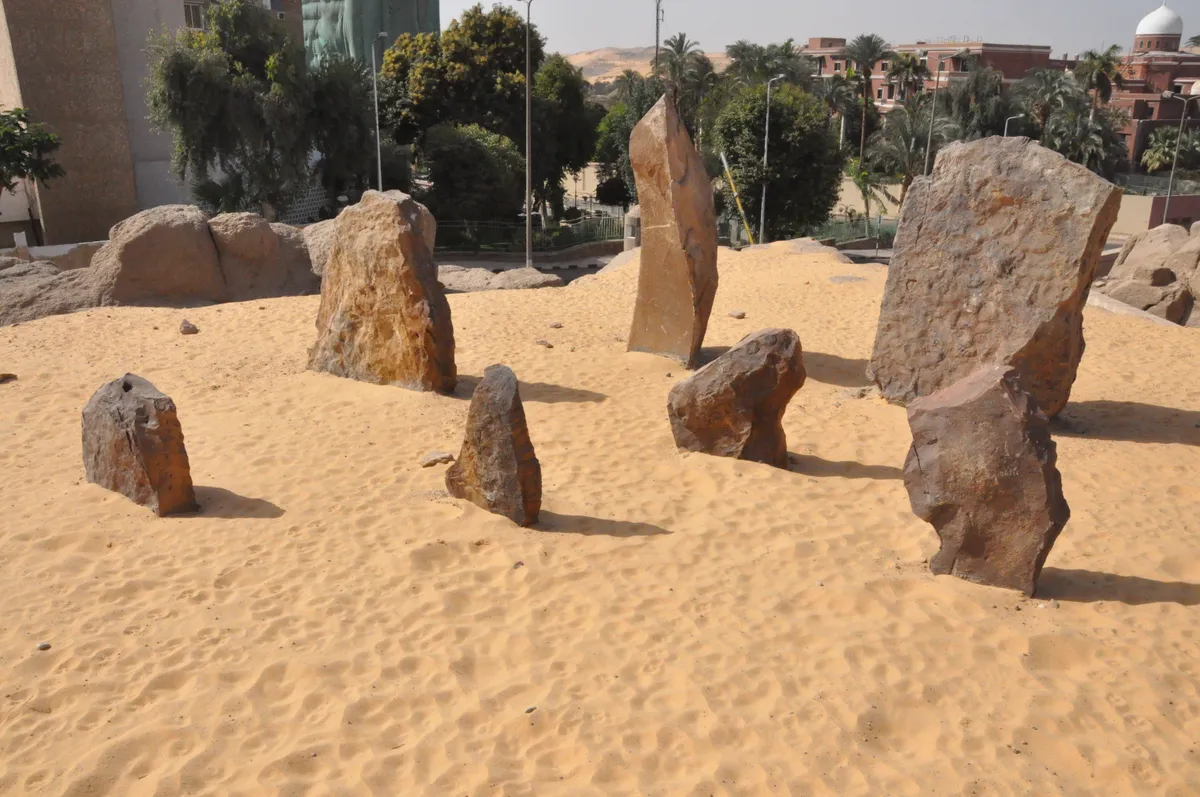
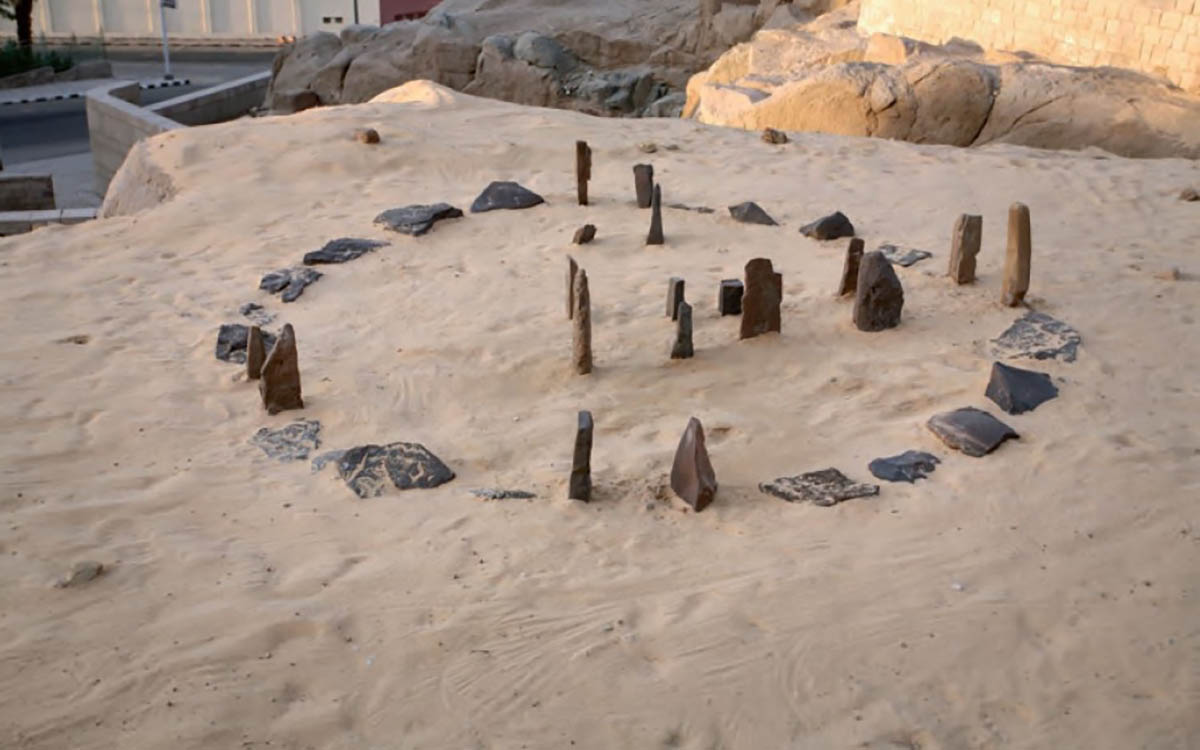
In the Nubian Desert of southern Egypt, 700 miles south of Giza, stands the world's oldest known astronomical observatory. Nabta Playa is a stone circle approximately 7,000 years old — predating Stonehenge by more than 2,000 years. Built by nomadic pastoralists who followed seasonal rains across the then-fertile Sahara, it aligned its inner gate stones to the summer solstice sunrise and to the rising positions of Sirius, Arcturus, and Alpha Centauri. Published in Nature in 1998 by archaeoastronomer J. McKim Malville and archaeologist Fred Wendorf. This is peer-reviewed science, not speculation.
The Sky as a Body — The Goddess Nut
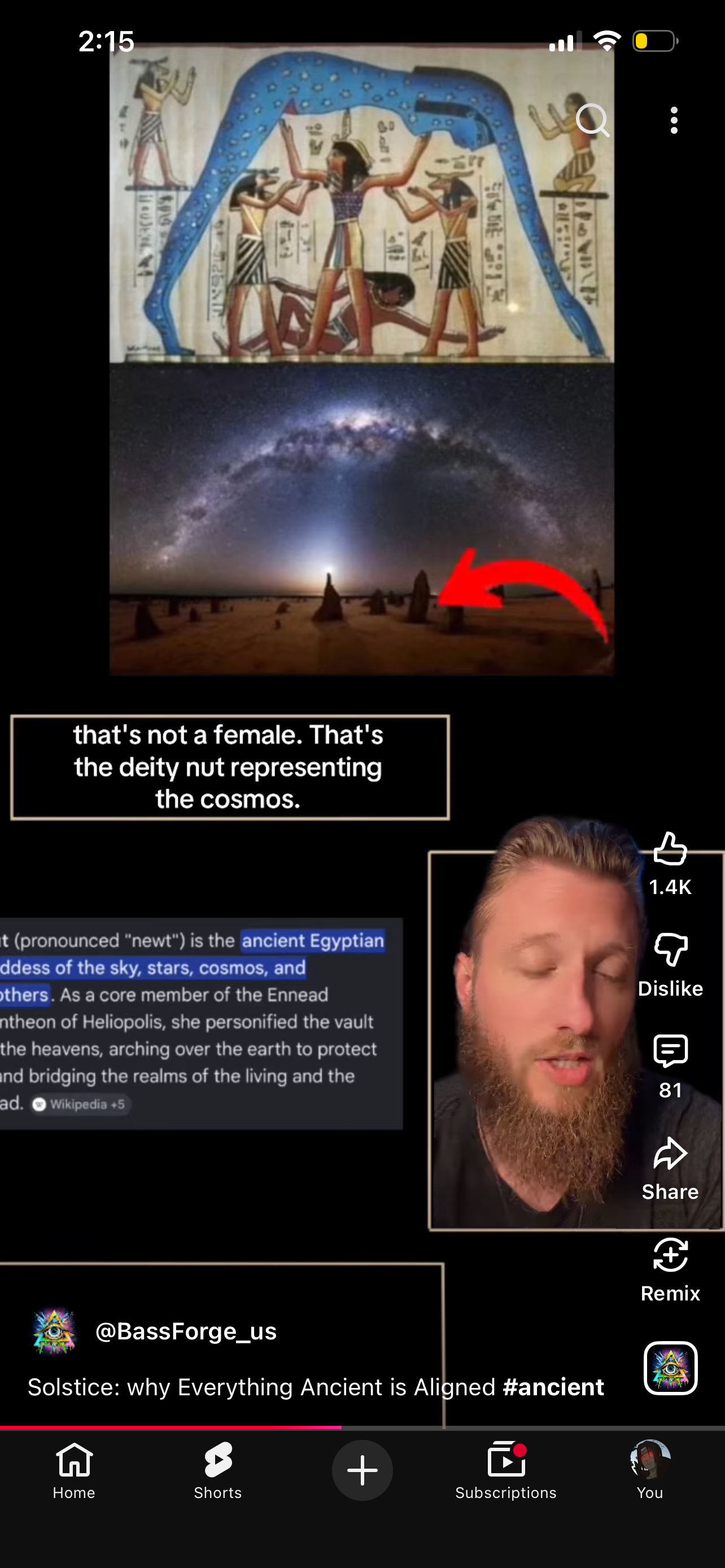
The Egyptian sky goddess Nut (pronounced "newt") is depicted in ancient papyri and tomb paintings as a woman arching over the Earth — fingertips touching the horizon on one side, toes on the other, her body forming the vault of the heavens. Below her stands Geb, the Earth god. Between them: everything. This is not mythology as metaphor. This is ancient astronomy given a human form: the sky arches over the Earth, cyclically, and the Egyptians gave that arch a body so it could be remembered, taught, and passed on.
A Pointer to the Companion Document
The Great Pyramid — built roughly 1,000 years after the Nut paintings — encodes sphere geometry directly in its proportions: its edge slope angle equals 42°, precisely the angle at which spherical water droplets produce a rainbow. Whether deliberately or as an emergent consequence of golden-ratio construction, the most precisely engineered ancient structure on Earth contains the rainbow angle. This geometric story is explored in full in the companion document As Above, So Below: For Real This Time, where it appears as Exhibit II in a sequence that runs from quantum Cooper pairs to the cosmic event horizon.
What This Narrows
So what does the convergence actually buy HPF? Honest accounting:
- It does: show that cyclic, low-entropy-start cosmologies are a deep attractor — in human intuition across millennia and in the modern mathematics. That independent re-derivation is a soft signal the shape is robust, and it reinforces the entropy-coherence framing at the heart of the HPF synthesis (Three Views, Model 04): order → coherence → low entropy as the thread through everything.
- It does not: confirm any number, validate CCC, or prove the universe is alive. The yuga numbers are sacred geometry; the breath and the Logos are metaphor and philosophy.
- The discipline is the point: being precise about what convergence proves — and what it doesn't — is exactly what separates a real research program from a mystical one. The honesty is the credibility.
Works Cited
Primary and peer-reviewed sources for all established and published-serious claims in this document. Philosophical and interpretive content is labeled as such and is not attributed to sources as fact.
- Penrose, R. (2010). Cycles of Time: An Extraordinary New View of the Universe. Bodley Head, London.
- Gurzadyan, V. G. & Penrose, R. (2013). "On CCC-predicted concentric low-variance circles in the CMB sky." European Physical Journal Plus, 128, 22.
- Penrose, R. (1964). "Conformal Treatment of Infinity." In Relativity, Groups and Topology (Les Houches lectures). [Origin of conformal/Penrose diagrams]
- Bhagavad Gita, 8.17–8.18. (Trans. various.) [Definition of one Day of Brahma as 1,000 Maha-Yugas]
- Vishnu Purana, Book I, Ch. 3. [Yuga timescales and the kalpa cycle]
- Bhagavata Purana, Canto 3, Ch. 11. [Detailed yuga and manvantara chronology]
- Sagan, C. (1980). Cosmos: A Personal Voyage. Random House. [Observation that Hindu cosmology uniquely reaches modern timescales]
- Jacobsen, T. (1939). The Sumerian King List. University of Chicago Press. [Definitive scholarly edition of the Weld-Blundell Prism text]
- Berossus (c. 290 BCE). Babyloniaca (Fragments). In Burstein, S. (1978). The Babyloniaca of Berossus. Undena Publications. [Source of the 432,000-year pre-Flood chronology]
- Weld-Blundell Prism (WB 444), c. 1800 BCE. Ashmolean Museum, University of Oxford, accession AN 1923.444.
- Milankovitch, M. (1941). Kanon der Erdbestrahlung und seine Anwendung auf das Eiszeitenproblem. Royal Serbian Academy. [Original Milankovitch orbital-cycle theory]
- Hays, J. D., Imbrie, J. & Shackleton, N. J. (1976). "Variations in the Earth's Orbit: Pacemaker of the Ice Ages." Science, 194(4270), 1121–1132.
- Campion, N. (2012). Astrology and Cosmology in the World's Religions. NYU Press. [Cross-cultural precession encoding in ancient chronology]
- de Santillana, G. & von Dechend, H. (1969). Hamlet's Mill: An Essay Investigating the Origins of Human Knowledge and Its Transmission Through Myth. [Precession encoded in myth; contested but scholarly]
- John 1:1. The New Testament. (Greek: "Ἐν ἀρχῇ ἦν ὁ Λόγος.")
- Heraclitus, Fragments (c. 500 BCE). In Kirk, G. S., Raven, J. E. & Schofield, M. (1983). The Presocratic Philosophers. Cambridge University Press. [Logos as the rational order beneath flux]
- Marcus Aurelius (c. 170 CE). Meditations, Book IV. [Stoic Logos — the active ordering principle in matter]
- Wheeler, J. A. (1989). "Information, Physics, Quantum: The Search for Links." In Proceedings of the 3rd International Symposium on Foundations of Quantum Mechanics. ["It from bit" — modern cousin of the Logos idea]
- Penrose, R. (1989). The Emperor's New Mind. Oxford University Press. [Weyl curvature hypothesis; Big Bang as low-entropy initial state]
- Carroll, S. (2010). From Eternity to Here: The Quest for the Ultimate Theory of Time. Dutton. [Past hypothesis and the arrow of time, accessible treatment]
- Boltzmann, L. (1896). Vorlesungen über Gastheorie. [Statistical foundation of entropy and thermodynamic arrow]